
BRACES
STRAIGHTEN YOUR SMILE
TRANSFORM YOUR FUTURE
Braces are a trusted, effective way to straighten teeth, improve your bite and support long-term oral health for a confident smile that lasts.
Treatment is planned according to your individual teeth, bite, age and treatment goals. Braces may be suitable for children, teenagers and adults with crowding, spacing, crooked teeth or selected bite concerns.
- WHAT ARE BRACES
Braces are fixed orthodontic appliances that use brackets and wires to move teeth gradually into improved positions.
The brackets are attached to the teeth and connected by an orthodontic wire. Small adjustments are made during follow-up appointments to guide the teeth through a planned sequence of movement.
Braces may help improve both the appearance of the smile and the way the teeth function together.
Dr. Michiel Roos is an experienced dentist providing comprehensive dental treatment across Limpopo.
- WHAT CAN BRACES HELP TREAT?
Braces may be recommended for:
- Crowded teeth
- Crooked or rotated teeth
- Gaps between teeth
- Protruding front teeth
- Deep bites / Open Bites
- Crossbites
- Underbites
- Teeth that have erupted in an unfavourable position
- Alignment required before restorative or surgical treatment
- BENEFITS OF BRACES
- Straighter Teeth: Braces can guide crooked, crowded or unevenly spaced teeth into improved positions.
- Improved Bite Function: Treatment may improve the way the upper and lower teeth meet when biting and chewing.
- Easier Cleaning: Better alignment may make it easier to brush and clean between the teeth effectively.
- Reduced Risk of Damage: Correcting protruding or poorly positioned teeth may reduce the risk of trauma and uneven wear.
- Precise Tooth Movement: Fixed braces allow controlled movement for a wide range of orthodontic concerns.
- Treatment for Different Ages: Braces may be suitable for children, teenagers and adults.
BRACES AT A GLANCE
- Suitable Age: Children, teenagers and adults
- Treatment Time: Approx. 12 to 24 months.
- Appointments: Regular adjustment and progress-review visits
- Comfort: Mild tenderness
- Oral Care: Careful brushing daily
- Results: Straighter teeth & improved bite function
- After Treatment: Retainers are usually required
READY TO START YOUR SMILE JOURNEY?
Book a consultation and take the first step towards a healthier mouth.
- TYPES OF BRACES
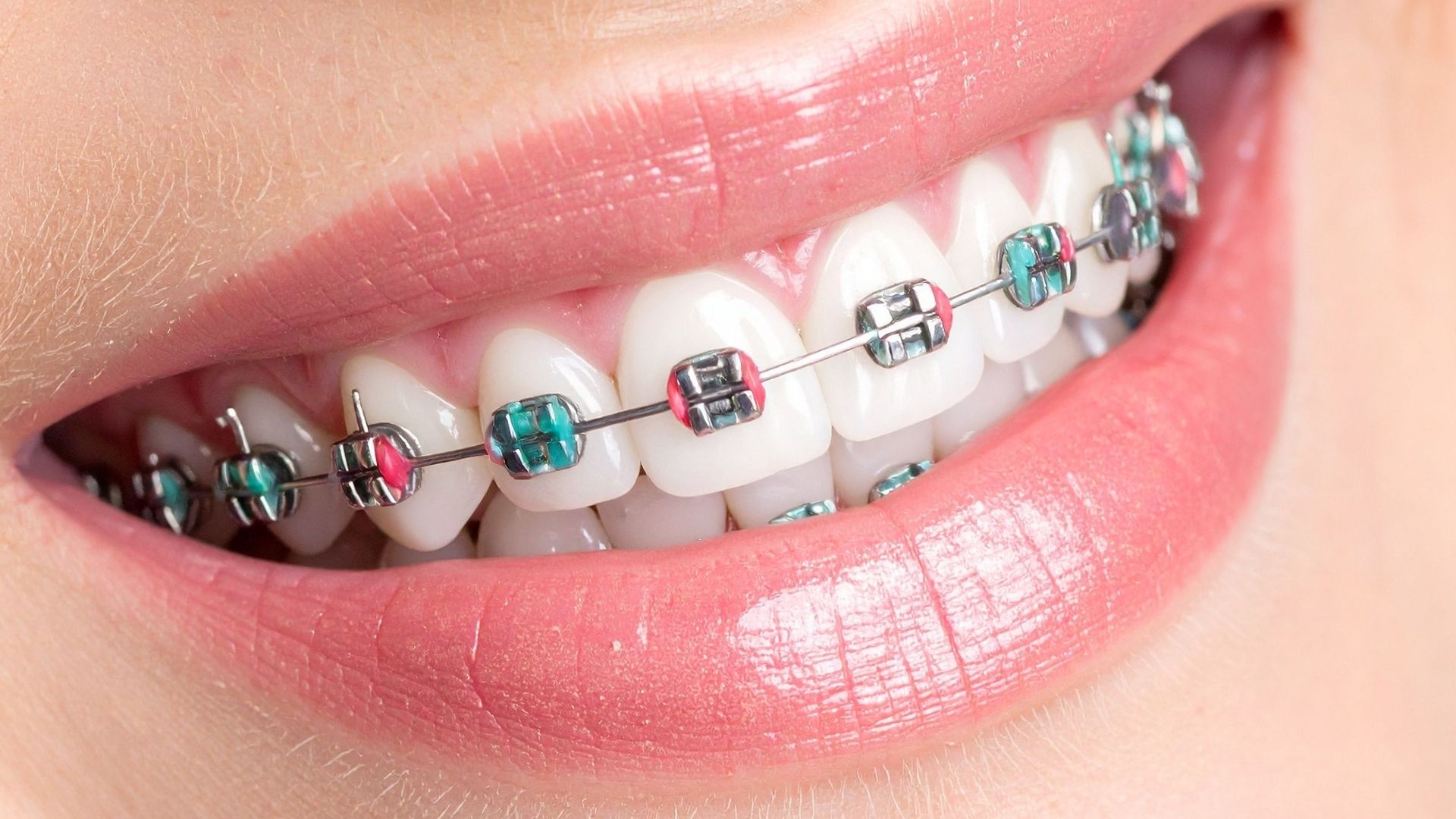
fixed metal braces
Metal braces are strong, reliable and suitable for a broad range of orthodontic concerns.
They use metal brackets and wires to move the teeth in planned stages. They are commonly used for children, teenagers and adults.
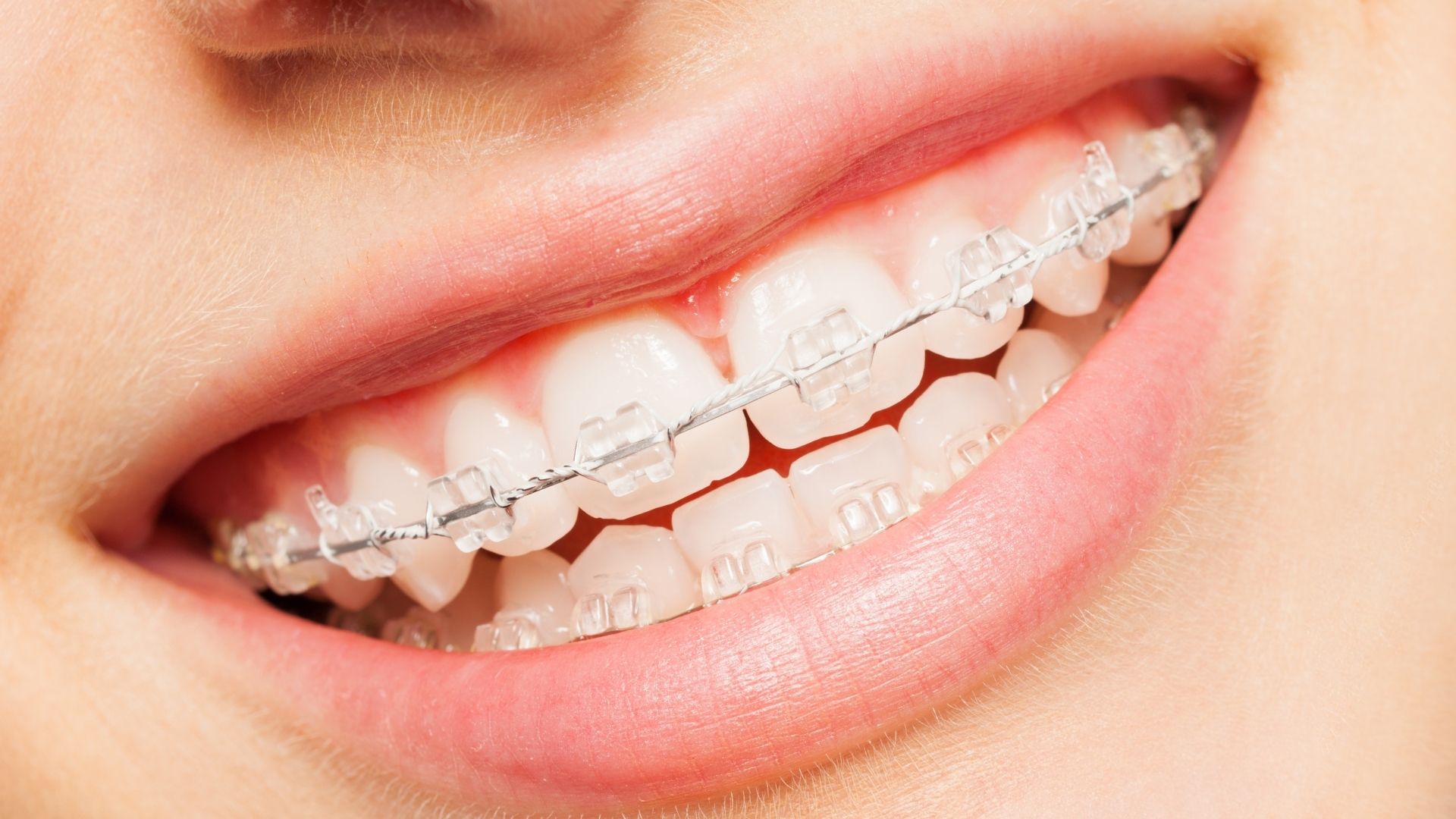
PORCELAIN/CERAMIC BRACES
Ceramic braces use tooth-coloured or clear brackets to make the appliance less noticeable.
They work in a similar way to metal braces but may require additional care because some components can be more delicate or prone to staining.
- THE DENTAL CARE PROCESS
1
CONSULTATION
We discuss your concerns, examine your smile and define your goals.
2
ASSESSMENT
Digital scans, photos and X-rays help us create a personalised treatment plan.
3
TREATMENT PLAN
We explain your options, expected time frame and costs.
4
GETTING BRACES
Braces are placed comfortably and we guide you on what to expect.
5
ADJUSTMENTS
Regular check-ups keep your treatment on track and ensure steady progress.
5
RETENTION
Retainers help maintain your beautiful new smile.
Frequently asked questions
What age is best for braces?
There is no single best age for braces. Timing depends on dental development, the type of concern and the treatment goals. Children may benefit from an early orthodontic assessment, while teenagers and adults may also be suitable for braces.
Braces for Children: Some children begin braces after enough permanent teeth have erupted. Early assessment may help determine the most appropriate time to begin treatment. Read more on Early Orthodontics↗
Braces for Teenagers: The teenage years are a common time for braces because many permanent teeth have erupted and the jaws are still developing.
Braces for Adults: Adults can also receive braces when their teeth and gums are healthy enough for orthodontic treatment. Existing crowns, fillings, missing teeth and gum health must be considered during planning.
Do braces hurt?
You may feel pressure or tenderness for a few days after braces are fitted or adjusted. This is normal and usually settles. Contact the practice if pain is severe or worsening.
How long will I need braces?
Many patients wear braces for approximately 12 to 24 months, but treatment may be shorter or longer depending on the complexity of the case and how the teeth respond.
Can adults get braces?
Yes. Adults can receive orthodontic treatment when the teeth and gums are healthy enough for tooth movement.
Can I play sport with braces?
Yes. A suitable orthodontic mouthguard may be recommended for contact or high-impact sports.
Can I play a musical instrument with braces?
Yes. Most patients can continue playing. A short adjustment period may be needed, especially for wind or brass instruments.
What can I eat with braces?
Most foods can still be eaten with some adjustments. Avoid hard, sticky and very chewy foods that may damage brackets or wires.
How do I clean my teeth with braces?
Brush carefully around the brackets and gumline, clean between the teeth every day and use interdental or orthodontic cleaning aids where recommended.
How much do braces cost?
The cost depends on the complexity of the case, appliance type and expected treatment duration. A detailed estimate can be discussed after the orthodontic assessment.
What types of braces are available?
Metal braces are commonly offered. Ceramic braces may also be available at selected practices. Confirm the current options when booking.
Will braces affect my speech?
Fixed braces usually have little effect on speech. The mouth may feel unfamiliar for a short period after fitting.
What happens if a bracket breaks?
Contact the practice for advice. A broken bracket may need repair to prevent delays or unwanted tooth movement.
What happens after my braces come off?
Most patients receive a retainer to help maintain the result. Your dentist will explain how often it should be worn and how to care for it.
Will I still need normal dental check-ups?
Yes. Routine dental examinations and professional cleaning remain important during orthodontic treatment.