
DENTAL SURGERY
EXPERT CARE FOR A HEALTHY
BEAUTIFUL SMILE
From routine treatments to advanced procedures, we’re here to help you maintain optimal oral health, relieve discomfort and achieve long-lasting results.
- WHAT IS DENTAL SURGERY?
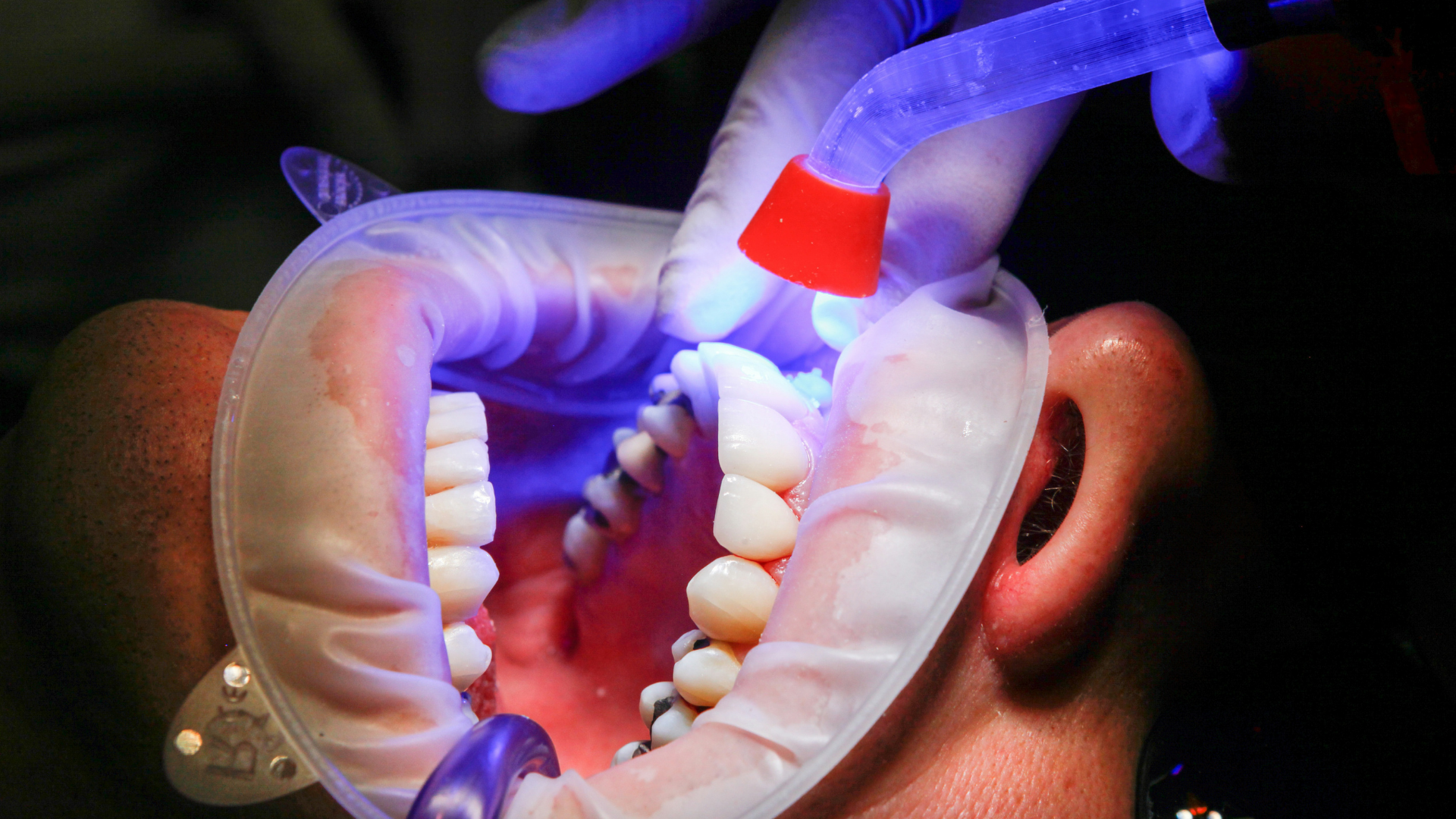
Dental surgery includes procedures used to treat teeth and surrounding oral tissues when routine restorative treatment is no longer suitable.
A surgical procedure may be recommended when a tooth is severely damaged, infected, impacted, causing recurring pain or cannot be restored predictably. Every recommendation begins with a clinical assessment and a discussion of the available treatment options.
Dr. Michiel Roos is an experienced dentist providing orthodontic and comprehensive dental treatment across Limpopo. Surgical procedures are completed within the dentist’s professional scope of practice, with referral arranged when specialist care is required.
- COMMON DENTAL SURGERY TREATMENTS
- Tooth extractions (including wisdom teeth)
- Root canal treatment
- Gum disease treatment
- Dental implants
- Oral surgery
- Treatment of abscesses and infections
- Pre-prosthetic surgery
- Soft tissue procedures
- Biopsies and lesion removal
- Trauma management
- BENEFITS OF DENTAL SURGERY
- Relieves Pain and Discomfort
- Treatment may remove the source of persistent tooth pain, pressure or inflammation.
- Helps Manage Infection
- Removing or treating the affected tooth may help prevent infection from continuing or spreading.
- Protects Surrounding Teeth
- Supports Better Function
- Treatment may improve comfort when eating, speaking or opening the mouth.
- Prepares the Mouth for Further Treatment
- Patients receive an explanation of the condition, available options and expected recovery before treatment begins.
Dental Surgery at a glance
- Pain Relief: Restore comfort and relieve oral pain.
- Healthy Mouth: Treat issues early and prevent complications.
- Advanced Techniques: Modern equipment for safer, more precise care.
- Comfort Focused: We prioritise your comfort every step of the way.
- Personalised Care: Tailored treatment plans for all your needs.
READY TO START YOUR SMILE JOURNEY?
Book a consultation and take the first step towards a healthier mouth.
- DENTAL SURGERY PROCESS
1
cONSULTATION
We assess your oral health and discuss your concerns.
2
DIAGNOSIS
Digital imaging and examination help us create a plan.
3
TREATMENT PLAN
We explain your options and recommend the best solution.
4
PROCEDURE
Your treatment is performed with care and precision.
5
RECOVERY & CARE
We guide you through recovery and aftercare for lasting results.
Frequently asked questions
What do I do before my dental surgery
Please tell the practice about:
- All current medication and dosages
- Blood-thinning medication
- Allergies
- Pregnancy or possible pregnancy
- Diabetes
- Heart conditions
- Bleeding disorders
- Previous complications with dental treatment or anaesthetic
- Any recent illness or infection
- Do not stop prescribed medication unless the prescribing healthcare professional or dentist has given you specific instructions.
- Eat as directed before the procedure. Instructions may differ depending on the planned treatment and anaesthetic method.
- Arrange transport when advised, particularly when medication or sedation may affect your ability to drive.
What can I expect during the procedure
Local anaesthetic is used to numb the treatment area. You may feel pressure or movement during an extraction, but you should not feel sharp pain.
The exact procedure depends on the tooth and its position. A routine extraction may be completed by gently loosening and removing the tooth. A surgical extraction may require a small opening in the gum or removal of a limited amount of surrounding bone.
Stitches may be placed when required. Your dentist will explain whether they dissolve on their own or need to be removed.
What happens after dental surgery
- Some bleeding, swelling, tenderness and stiffness may be expected after treatment. The amount and duration differ between patients and procedures.
- Follow the instructions provided by the practice carefully.
- Bite gently on the gauze for the recommended period.
- Avoid vigorous rinsing during the early healing period.
- Do not touch the area with your fingers or tongue.
- Choose soft foods while the area is tender.
- Avoid very hot food and drinks until the numbness has worn off.
- Avoid smoking and vaping because they can interfere with healing.
- Avoid strenuous activity for the period recommended by your dentist.
- Take medication only as directed.
- Keep the rest of your mouth clean while avoiding unnecessary disturbance of the surgical site.
- Contact the practice if you are uncertain about any part of your recovery.
What can I eat after dental surgery?
Choose soft, cool or lukewarm foods during the early recovery period.
Suitable options may include:
- Yoghurt
- Mashed vegetables
- Soft scrambled eggs
- Smooth soup that is not hot
- Soft pasta
- Oats
- Smoothies eaten with a spoon
- Soft fish
- Avoid hard, crunchy, sticky or spicy foods while the area is healing.
- Do not use a straw unless your dentist has advised that it is safe. Suction may disturb the blood clot after an extraction.
I have pain and swelling after dental surgery
- Mild to moderate tenderness is common after an extraction or surgical procedure. Swelling may increase during the first few days before gradually improving.
- Use the pain medication recommended by your dentist.
- Apply a cold pack externally when instructed.
- Do not place aspirin or medication directly against the gum.
- Contact the practice if the pain is severe, continues to worsen or does not improve as expected.
What is "Dry Socket" after dental surgery?
Dry socket can occur when the blood clot protecting the extraction site is lost or breaks down before healing has progressed sufficiently.
Possible symptoms include:
- Increasing pain several days after the extraction
- Pain that spreads towards the ear or jaw
- An unpleasant taste or smell
- A socket that appears empty
- Dry socket requires professional care. Contact the practice rather than attempting to treat the area at home.
- Smoking, vaping, forceful rinsing and disturbing the extraction site may increase the risk.
When should I contact the dentist?
Contact the practice when you experience:
- Bleeding that does not settle despite following the instructions
- Pain that becomes significantly worse
- Increasing swelling after the expected initial period
- Fever or feeling generally unwell
- An unpleasant discharge, taste or smell
- Difficulty opening the mouth that is worsening
- Persistent numbness
- A reaction to medication
- Stitches that appear to have failed prematurely
- Any symptom that concerns you
- Severe facial swelling, difficulty breathing or swallowing, uncontrolled bleeding or major facial trauma requires urgent medical attention.
When is specialist referral needed?
Some cases require treatment by a maxillofacial and oral surgeon or another dental specialist. Referral may be recommended for:
- Deeply impacted wisdom teeth
- Teeth positioned close to important nerves or structures
- Complex medical conditions
- Significant facial trauma
- Large cysts or lesions
- Procedures requiring hospital care
- Cases outside the treating dentist’s professional scope
- Your dentist will explain the reason for referral and provide the relevant clinical information.
Where can I get dental surgery in Limpopo?
Dental surgery consultations are available through Dr. Michiel Roos practices in Polokwane (Dentistry on Bendor), Louis Trichardt (Dentistry on Celliers), Tzaneen (Dentistry on Boundary) and Musina (Musina Dentistry).
The type of procedure available and consulting schedules may differ between branches. Please confirm the treatment you require when booking.